

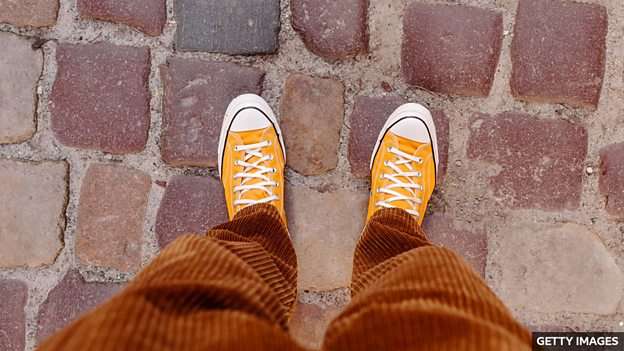
我们已经对地面上的城市司空见惯,但你可能从未了解过隐藏在你的脚下的城市历史。在英国,伦敦的地下隐藏了第二次世界大战期间建造的隧道,布里斯托的地下掩埋了维多利亚时期的城市街道,而爱丁堡的一些小巷则能追溯到 17 世纪。如今,这些城市中很多隐藏的隧道和地点已经向公众开放。本文浅谈城市地下所隐藏的历史。
词汇: history 历史
1 Stand outside Chancery Lane Tube station in London and you'll probably notice the regular commuters, trendy cafes and the odd tourist. Look up and you'll see the Staple Inn, built in 1585, and one of the last remaining Tudortimber-framedfacades in London. But deep below your feet, there's more history lurking.
2 Nestled between Furnival Street and Fulwood Place in this area of London are a network of tunnels even deeper than The London Underground. Built between 1940 and 1942, the tunnels were constructed as part of the war effort as an air-raid shelter, designed to protect civilians and soldiers from bombs dropped in the war. Later in World War Two, the tunnels were occupied by Special Operations Executive and are even believed to have been the inspiration behind Q branch in the James Bond novels. The tunnels are set to open to the public in the near future.
3 Somewhere that can never open to the public is a secret Victorian street in Bristol. Now considered too dangerous to enter, a local historian climbed down to the street in 1999. He hoped to find gas street lamps, sashwindowframes and Victorian fire grates frozen in time. Instead, he found thieves had stripped the street, and it was mostly full of rubbish, though some bricked-up shop windows remained. The row of shops was buried in 1879 when a railway was built, and the company raised the road level.
4 In Scotland, there is an even older piece of history under foot. Mary King's Close in the centre of Edinburgh is a hidden network of preserved streets and homes from the 1600s. Down under the Royal Mile, the alleyways were once bustling and open-air but also dark and rather smelly. Many Old Town Edinburgh streets in the 1600s consisted of high-tenement buildings where the rich occupied the top stories and the poor lived on the ground floors, which were often flooded with sewage. The streets on Mary King's Close were built over in the 1750s and only re-discovered in 2003 during an archaeological investigation. It's now a tourist attraction, so you can go down and see the streets for yourself.
5 So, when you're out and about in the city, admire what's above ground, but also consider the history that could be hiding beneath your feet.
测验与练习
一、为本文选择总结句。
a. The oldest underground streets are in the UK
b. There are four secret underground streets in the UK
c. Some UK hidden underground locations are now open to the public
二、根据文章内容选出正确的选项。
1. Where are the London tunnels that were used as an air-raid shelter in World War Two?
a. Opposite the Staple Inn
b. Inside Chancery Lane tube station
c. Between Furnival Street and Fulwood Place
2. The tunnels inspired…
a. a writer.
b. a spy.
c. politicians.
3. A local historian in Bristol found an underground street full of Victorian artefacts.
a. True
b. False
c. Not given
4. Why are the alleyways under the Royal Mile described as 'rather smelly'?
a. Because the poor lived on the ground floors.
b. Because the ground floors were often covered with sewage.
c. Because so many people lived in the tenements.
5. Why was Mary King's Close hidden for so many years?
a. Because it was being made into a tourist attraction.
b. Because buildings were constructed over it.
c. Because it was only open to archaeologists.
三、用下列单词完成对本文的总结。
Beneath our city streets sometimes sit 1) _______ of old passageways, hidden from view and forgotten about. There are some 2) ______ in London that were once used as 3) _______. It's not common to find places like this 4) _______. In Bristol, an underground lane of shops was discovered only to be full of mostly rubbish and 5) _______ windows.
tunnels
frozen in time
air-raid shelters
bricked-up
occupied
networks
nestled
(答案见词汇表后)
词汇表
Tudor 都铎世代的
timber-framed 木框架结构的
facade (建筑物的)正面
nestle 位于,坐落于
network 网络
tunnel 隧道
The London Underground 伦敦地铁
air-raid shelter 防空洞
gas street lamp 煤气街灯
sash window frame 上下拉的窗框
fire grate 火炉栅
frozen in time 定格在时间中,经久未变
bricked-up 用砖堵上的
preserved 被留存下来的
alleyway 小巷,窄街
bustling 熙熙攘攘的,热闹的
tenement 公寓楼
sewage 污水
答案
一、为本文选择总结句。
c.The tunnels are set to open to the public in the near future. and It's now a tourist attraction so you can go down and see the streets for yourself.
二 、根据文章内容选出正确的选项。
1. c. Nestledbetween Furnival Street and Fulwood Place in this area of London are a network of tunnels even deeper than The London Underground.
2. a. …and are even believed to have been the inspiration behind Q branch in the James Bond novels.
3. b. False. He hoped to find gas street lamps, sash window frames and Victorian fire grates frozen in time. Instead he found thieves had stripped the street and it was mostly full of rubbish, though some bricked-up shop windows remained.
4. b. Many Old Town Edinburgh streets in the 1600s consisted of high-tenement buildings where the rich occupied the top stories and the poor lived on the ground floors, which were often flooded with sewage.
5. b. The streets on Mary King's Close were built over in the 1750s and only re-discovered in 2003 during an archaeological investigation.
三、用下列单词完成对本文的总结。
Beneath our city streets sometimes sit networks of old passageways, hidden from view and forgotten about. There are some tunnels in London that were once used as air-raid shelters. It's not common to find places like this frozen in time. In Bristol, an underground lane of shops was discovered only to be full of mostly rubbish and bricked-up windows.