

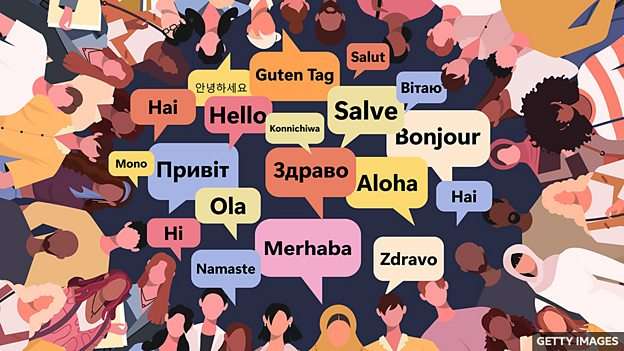
本集内容
Why we sound different in a foreign language?
为什么说外语时,我们的声音听起来不像自己?
文字稿
You've been learning a second or a third language for a long time now, and finally decide to use it in a real conversation to see if you can speak it well. But wait, why do you sound like an another person in that language?
你学习一门第二或第三外语已经很久了,终于打算在对话中实际运用一下,看看自己说得如何。可是,为什么你一开口说这门语言,听起来就像是变了一个人?
If you've had a similar experience, you are not alone.
如果你也有过类似的经历,那么你绝非特例。
Scientists have been studying this phenomenon where people can feel like they've taken on a new role or persona when they speak a different language.
科学家们一直在研究这种现象:当人们说不同的语言时,会觉得自己进入了一个新角色或者新形象。
Even people who are raised in a bilingual environment could exhibit slightly different personalities when they use different languages.
即使是在双语环境中长大的人,在使用不同的语言时也会展现出略微不同的性格。
What they have found is that there are many possible reasons why people's voices change. Our own biological structure and emotional reaction play important roles, but culture, environment and context matter a lot, too.
科学家们发现,人们声音发生改变的潜在原因多种多样。我们自身的生理结构和情绪反应起到了关键作用,但文化、环境和背景同样至关重要。
When we try to speak a different language fluently, we are not only mimicking the grammar and vocabulary of a native speaker, but also the rhythm, tone, and cultural aspects. When we engage with native speakers, or content in that language, we internalise all these elements of speech.
当我们试图流利地说一门外语时,我们模仿的不只是母语者的语法和词汇,还有他们的节奏、语调和文化特质。当我们和一门语言的母语者交流,或是接触该语言的内容时,我们会内化所有的这些表达元素。
Dr Ana Paula Petriu Ferreira Engelbert compared speaking in a foreign language to acting. "We take on features of the speech community and build another version of ourselves in that language." She says, "We're still us, but not quite the same."
安娜·宝拉·佩特留·费雷拉·英格尔伯特博士将说一门外语比作演戏。“我们汲取一个语言群体的表达特征,并在说这门语言的过程中塑造出另一个版本的自己”。她说,“我们依然是自己,但又不完全一样。”
重点词汇或表达
phenomenon 现象
persona 表面形象
exhibit 展现,显露
internalise 内化
compare… to… 把…比作…